
Fueling the Fight: The Role of Nutrition in Cancer Treatment, Recovery, and Prevention
Nutrition plays a critical role in both preventing cancer and supporting patients during treatment. When a patient is diagnosed with cancer, the body often requires more energy and nutrients to repair tissues, maintain strength, and fight infection. Treatments such as chemotherapy, radiation therapy, and surgery can cause side effects like nausea, fatigue, and appetite loss, which can make eating difficult. Because of these challenges, doctors and registered dietitians emphasize proper nutrition as an important part of cancer care. Research from the National Cancer Institute explains that many cancer patients experience malnutrition and unintended weight loss, worsening treatment outcomes, and reducing quality of life (National Cancer Institute, 2024).
One important nutritional factor for cancer patients is consuming enough calories and protein. According to nutrition guidelines from Stanford Health Care, cancer patients typically need about 25–35 calories per kilogram of body weight per day to maintain body weight and
support recovery during treatment (Stanford
Health Care). For example, a person who weighs around 150 pounds (about 68 kilograms) may need approximately 1,700–2,400 calories per day depending on their condition and level of
physical stress from treatment. Protein is also essential because it helps repair tissues damaged by treatment and helps maintain muscle mass.
Registered dietitians working with oncology teams often create individualized meal plans that provide adequate calories, protein, vitamins, and fluids for each patient’s needs.
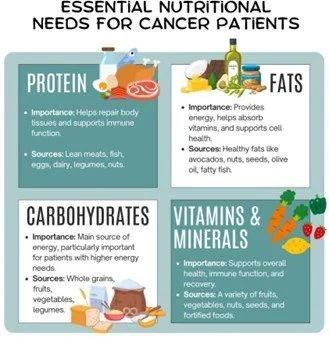
Preparing foods in ways that make it easier for cancer patients to eat is another part of cancer nutrition. During treatment, patients may struggle with nausea, taste changes, or difficulty swallowing. Medical nutrition programs at Stanford Health Care recommend eating smaller meals throughout the day instead of three large meals, choosing foods in mild flavor, and drinking plenty of fluids to prevent
dehydration (Stanford Health Care, 2026). Soft foods such as soups, smoothies, yogurt, and cooked
vegetables can be easier for patients to eat. Nutritionists may also recommend adding calorie-dense foods such as nut butter, avocado, or dairy products to increase energy intake without requiring patients to eat large portions.

Cancer patients often benefit from structured meal planning to help them meet their nutritional needs during treatment. Because appetite and tolerance for food can vary from day to day, nutritionists recommend flexible meal plans that focus on small, frequent meals that are high in calories and protein. For example, a daily plan might include smoothies with protein powder, yogurt with fruit, soups with added grains or beans, and snacks such as nuts or cheese. Patients experiencing nausea may be advised to eat bland, easy-to-digest foods like crackers, rice, or bananas, while those dealing with weight loss may need calorie-dense additions such as oils, nut butters, or milk-based drinks.
Preparing food in advance, using simple recipes, or relying on ready-to-eat healthy options can also reduce the physical strain of cooking. Patients can find helpful meal ideas and recipes through resources such as Cancer Support Community, which provides nutrition tips cancer-friends recipes (Cancer Support Community, 2025), and Academy of Nutrition and Dietetics, which offers evidence-based meal planning advice and healthy recipe ideas (Academy of Nutrition and Dietetics, 2020).
Nutrition also plays a role in preventing cancer. Scientific research has shown that unhealthy diets in high processed foods, added sugars, and saturated facts can increase the risk of several types of cancer. According to recommendations used by oncology nutrition programs and organizations such as the American Institute for Cancer Research, people should limit processed meats, sugary
drinks, and heavily processed foods because these dietary patterns are associated with high cancer risk (American Institute for Cancer Research, 2021). Diets lacking fruits, vegetables, and whole grains may contribute to inflammation and obesity, both of which are linked to cancer risk. In contrast, eating a diet high in fiber, vitamins, and antioxidants may help reduce inflammation and support the body’s natural defenses against disease, supporting long-term health. Experts at the National Library of Medicine note that maintaining a healthy diet, along with regular physical activity, could prevent a significant percentage of cancer cases (National Library of Medicine, 2024).
Access to healthy food is another important factor that influences cancer prevention and recovery. Not everyone has equal access to fresh, nutritious foods, which can make it difficult to maintain a healthy diet. Community organizations and food programs help address this issue by providing resources to those in need.
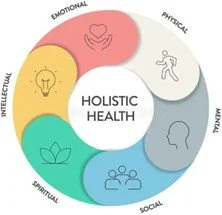
For example, Feast Down East works to connect farmers with communities to increase access to fresh produce. Similarly, NourishNC provides meals and groceries to children and families facing food insecurity. While programs such as
Rooted Resilience take a more holistic approach
by focusing on not only food access but also education, sustainability, and community well-being, helping individuals build long-term healthy lifestyles rather than just meeting immediate needs. Rooted Resilience can be accessed through the Hope Abounds Cancer Network, offering support and resources specifically for individuals affected by cancer.
In conclusion, nutrition is a key part to both cancer treatment and prevention. Cancer patients often require higher calorie and protein intake to maintain strength and support recovery during treatment, especially when side effects make eating more difficult. Proper meal planning, flexible eating strategies, and access to helpful resources can make a significant difference in improving patients’ quality of life and treatment outcomes. At the same time, maintaining a balanced diet rich in fruits, vegetables, whole grains, and other nutrient-dense foods can help reduce the risk of developing cancer in the first place. However, access to healthy food remains an important factor, as not all individuals have equal opportunities to meet these nutritional needs. Overall, prioritizing nutrition-both during treatment and throughout everyday life- plays a vital role in supporting health, reducing risk, and promoting long-term well-being.
Works Cited
National Cancer Institute. Nutrition in Cancer Care (PDQ®)–Health Professional Version.
U.S. Department of Health and Human Services, https://www.cancer.gov. Accessed 16 Mar. 2026
National Library of Medicine. “Healthy Lifestyle and Cancer Risk: Modifiable Risk Factors to Prevent Cancer.” National Library of Medicine, https://www.ncbi.nlm.nih.gov/pmc/articles/PMC. Accessed 16 Mar. 2026
Stanford Health Care. Nutrition During Cancer Treatment. Stanford Medicine, https://stanfordhealthcare.org. Accessed 16 Mar. 2026.
Stanford Health Care. High Calorie Snacks and Ideas. Stanford Medicine, https://stanfordhealthcare.org. Accessed 16 Mar. 2026
Feast Down East. About Us. https://www.feastdowneast.org. Accessed 16 Mar. 2026.
NourishNC. Programs and Services. https://nourishnc.org. Accessed 16 Mar. 2026. Rooted Resilience. Mission and Community Work. Accessed 16 Mar. 2026.
“About Cancer Support Community.” Cancer Support Community, 2025, www.cancersupportcommunity.org/org-info?utm_source=chatgpt.com. Accessed 18 Mar. 2026.
Academy of Nutrition and Dietetics. “Eatright.org - Academy of Nutrition and Dietetics.” Eatright.org, 2020, www.eatright.org/.